
preface
early spring 2025
For many that belong to diasporic, displaced and/or marginalised communities, there is an undeniable desire to ‘return,’ characterized by the distance (real or imagined) we feel from homelands, stories and relationships that help us explain where we are and what comes next. It emerges as a need to keep our ancestors (however you may come to define this position) and their dreams, lands and infrastructures alive and well-tended to. To (continue to) deal with “unfinished business” as Mamadou Diallo phrases it.
And it is exactly this need to address unfinished business that embodies this itching that brought me to Platform’s Archive as Catalyst grant programme in Spring of 2025.
For years I had wanted to better inquire about my great grandfather and his role in deterring french imperialism in what is now Syria. But not confined to the parameters of an academic paper or teach-in or visual ode, but as a cultural producer AND an organiser AND a researcher. As a devotional engagement, above all else. And the faith Platform’s team had in my vague idea for a speculative letter-writing workshop turned an immaterial longing into a material project.
Below I outline very loosely and semi-chronologically the overlapping processes and trajectories that the project took, from the material experiments to prototype the letter-writing, to my reflective time with family in Libnan to the workshop itself.
act one
late spring // early summer
Cultivating Homeland(ing) owes part of its moniker (and it’s conceptual basis) to the beautiful words in the collaborative publication I picked up on Rheim AlKadhi’s exhibition ‘Templates for Liberation.’ Having focused on this exhibition in my master’s dissertation — particularly around abolitionist politics of refusal embodied in Alkadhi’s withdrawal from the ICA in solidarity with ICA worker’s strike — I wanted to make sure I at least had a material copy of what the exhibition stood for and against, and what it is trying to tell us about refusing to be folded back into the institution’s complacency and about autonomous practice.
I was moved when reading Kali Rubaii’s chapter on templates for resurgency from Anbar, Iraq, and specifically on the idea of ‘homelanding’ as the process in which repair is pursued by affected and damaged bodies in order to return to the homeland, using methods and praxes that subvert the ‘master’s tools’ as hauntingly articulated in Audre Lorde’s reverberant essay. This way of thinking on repair and liberation, as deeply unromantic & difficult, yet approachable through material, incremental and reconstructive practice, amalgamated with my thoughts from an essay I was writing on the ‘form’ of collective life and naming the components that make a communal infrastructure.
It was from here, and many other little epiphanies compounding together, that I came to the idea of a speculative letter-writing, a futurist investment and a communication that transcends linear ‘T’emporality to really reflect on what unfinished business, seeds, possibilities await us and how the interpersonal blends with the systemic and what is required to really deeply heal the land in the context of colonialism, sectarianism, and urbicide/genocide/memoricide.
the master’s dissertation in question
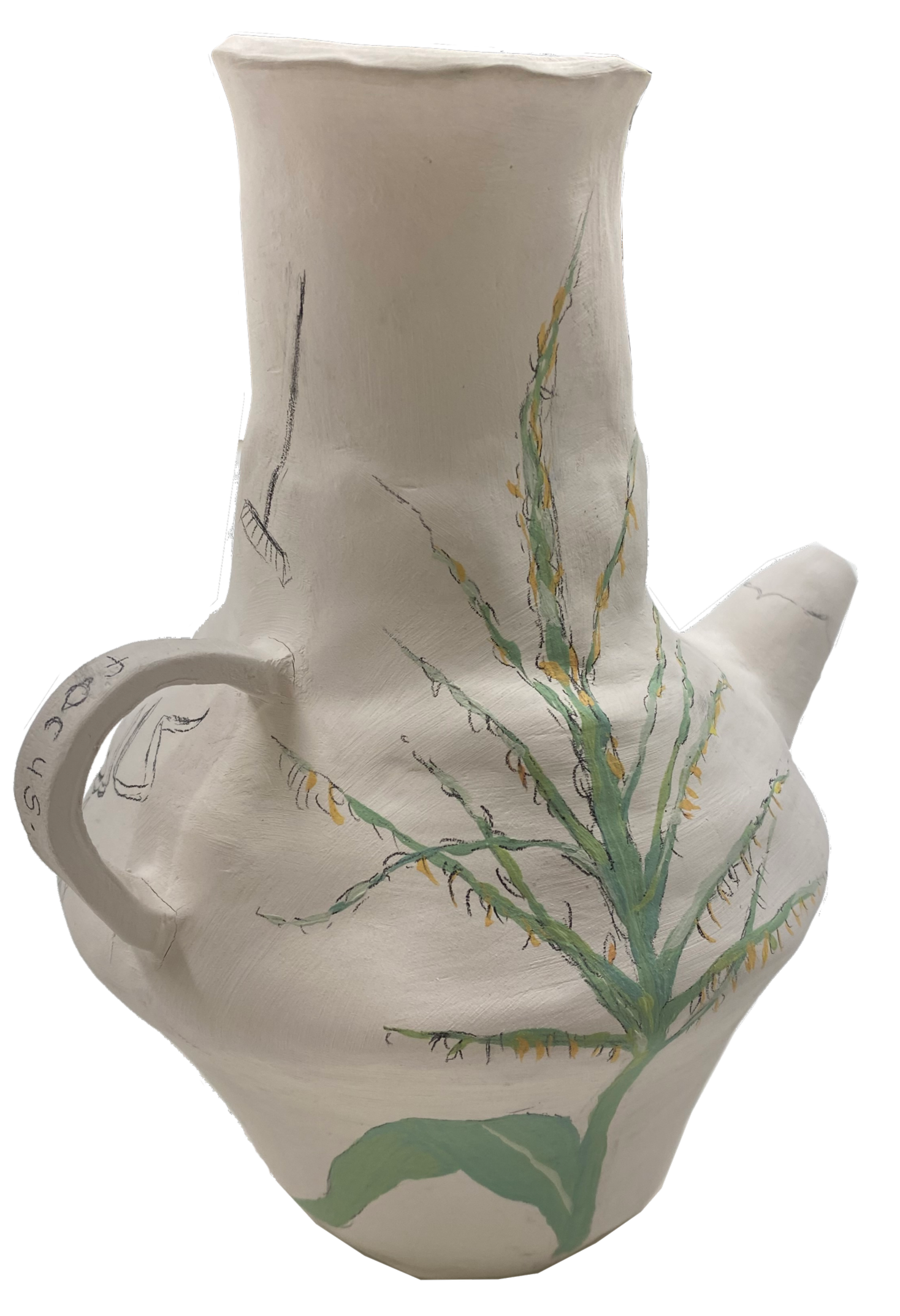
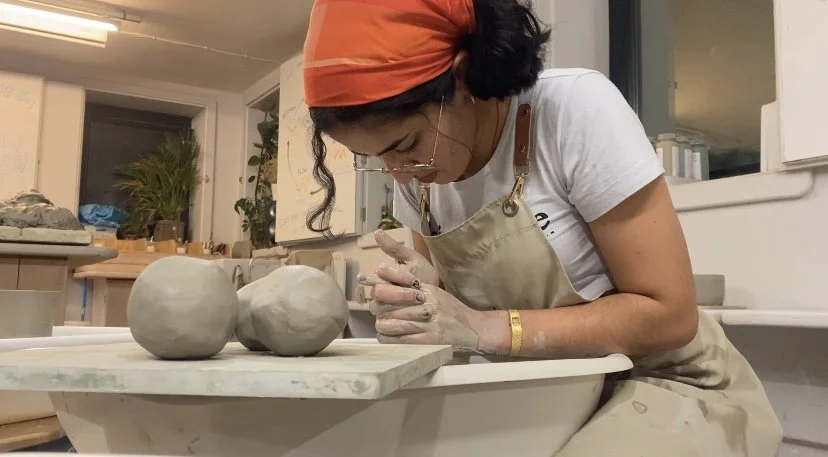
this first attempt at a hand-built vase initiated my desire to play with ceramics, embody abundance in form, and play with motifs on the land repair & justice
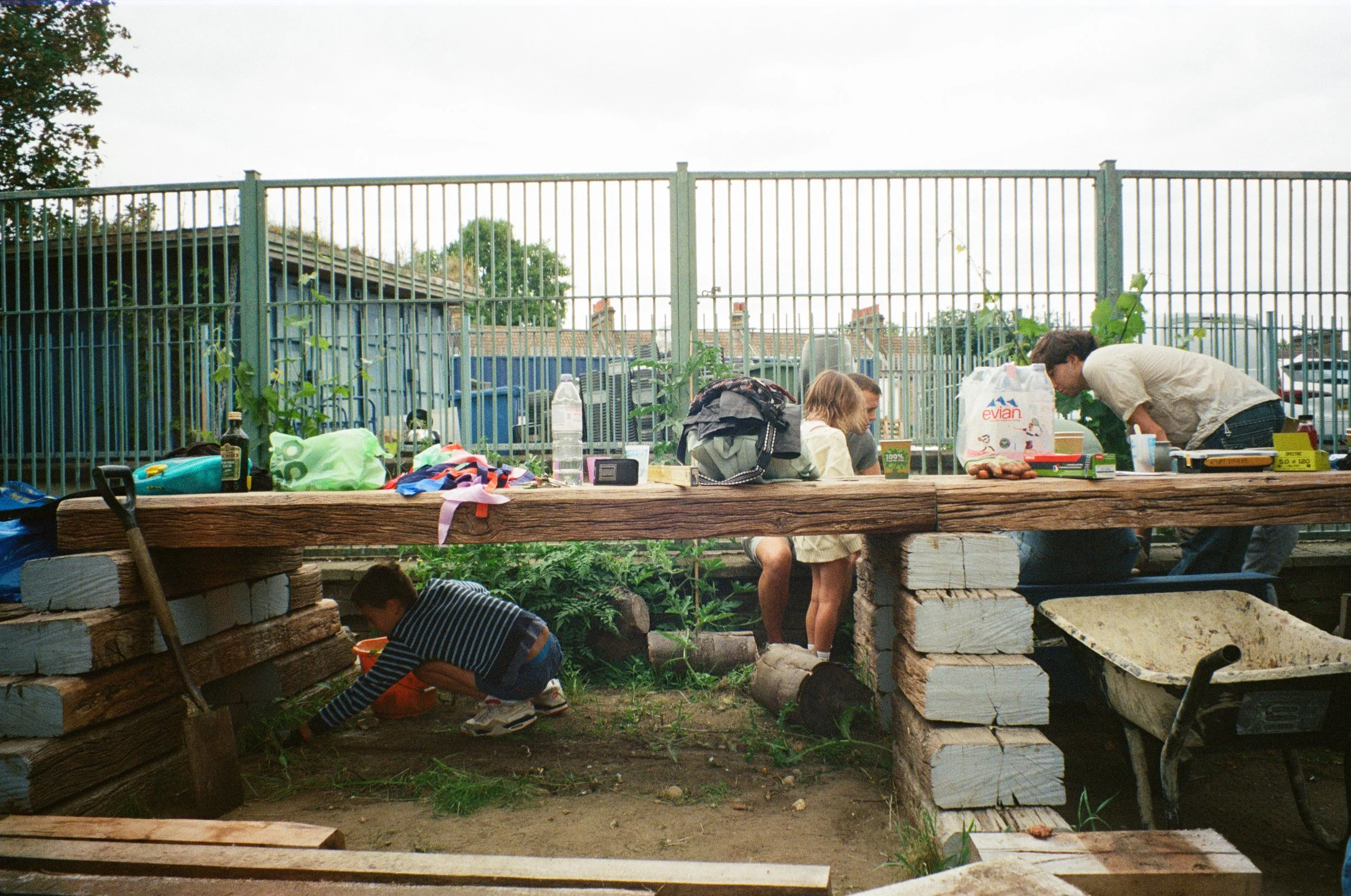
In the lead up to flying to Libnan, I began to experience many serendipitous moments that brought me back to the idea of community infrastructure, and reminders on shared, accessible and scaled-out work. I attended my first community build with RUSS & Unit 38. I encountered (and became somewhat obsessed with) Deepa Iyer’s Social Change Ecosystem map for the first time. I attended and met various practitioners at the Materials Festival at Pelican House.
Many questions began to emerge around what it meant to build, repair, heal, and what that looks like in immaterial and material mediums & infrastructure. It’s with this headspace that I arrived to Beirut.
act two
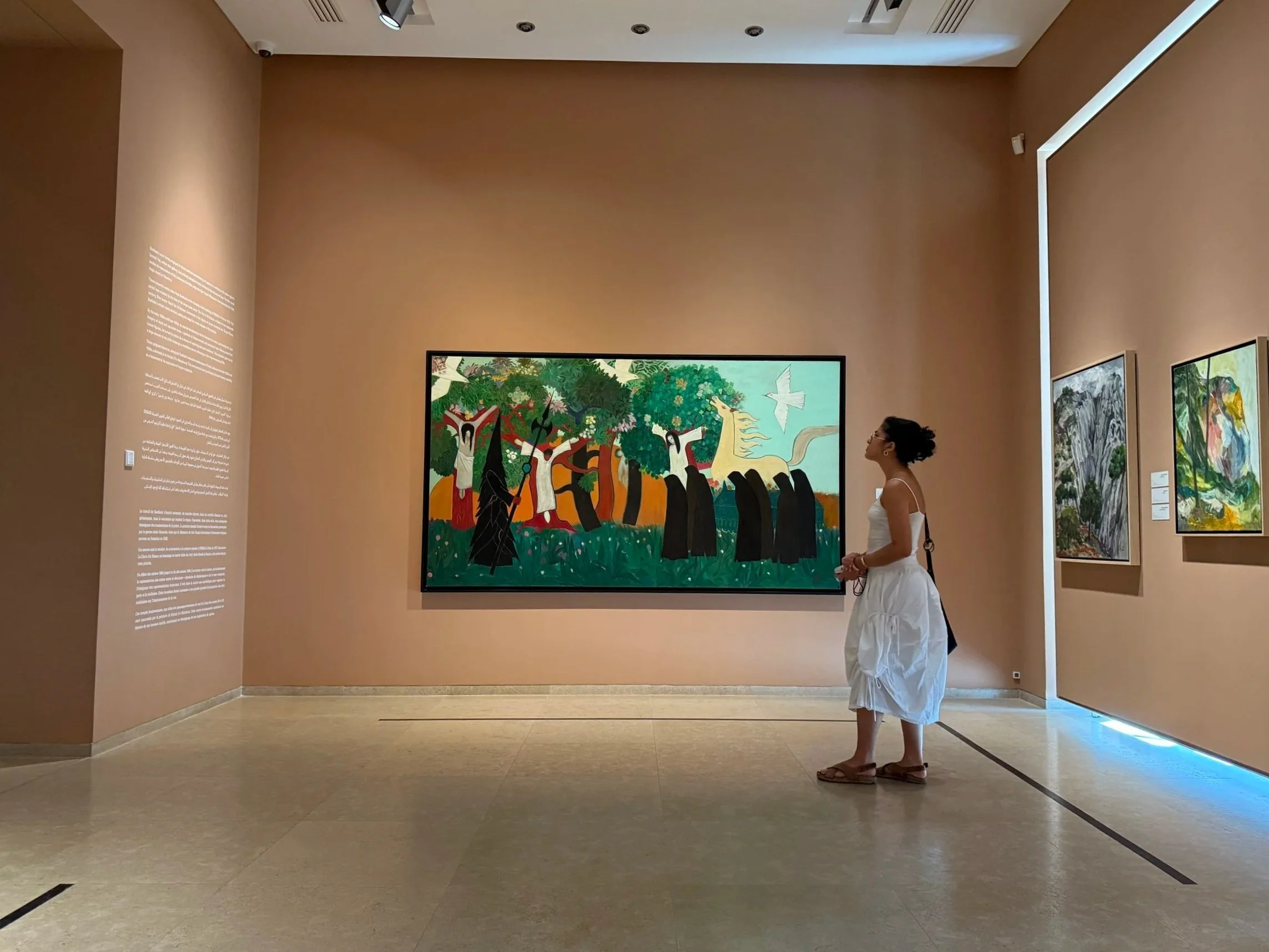
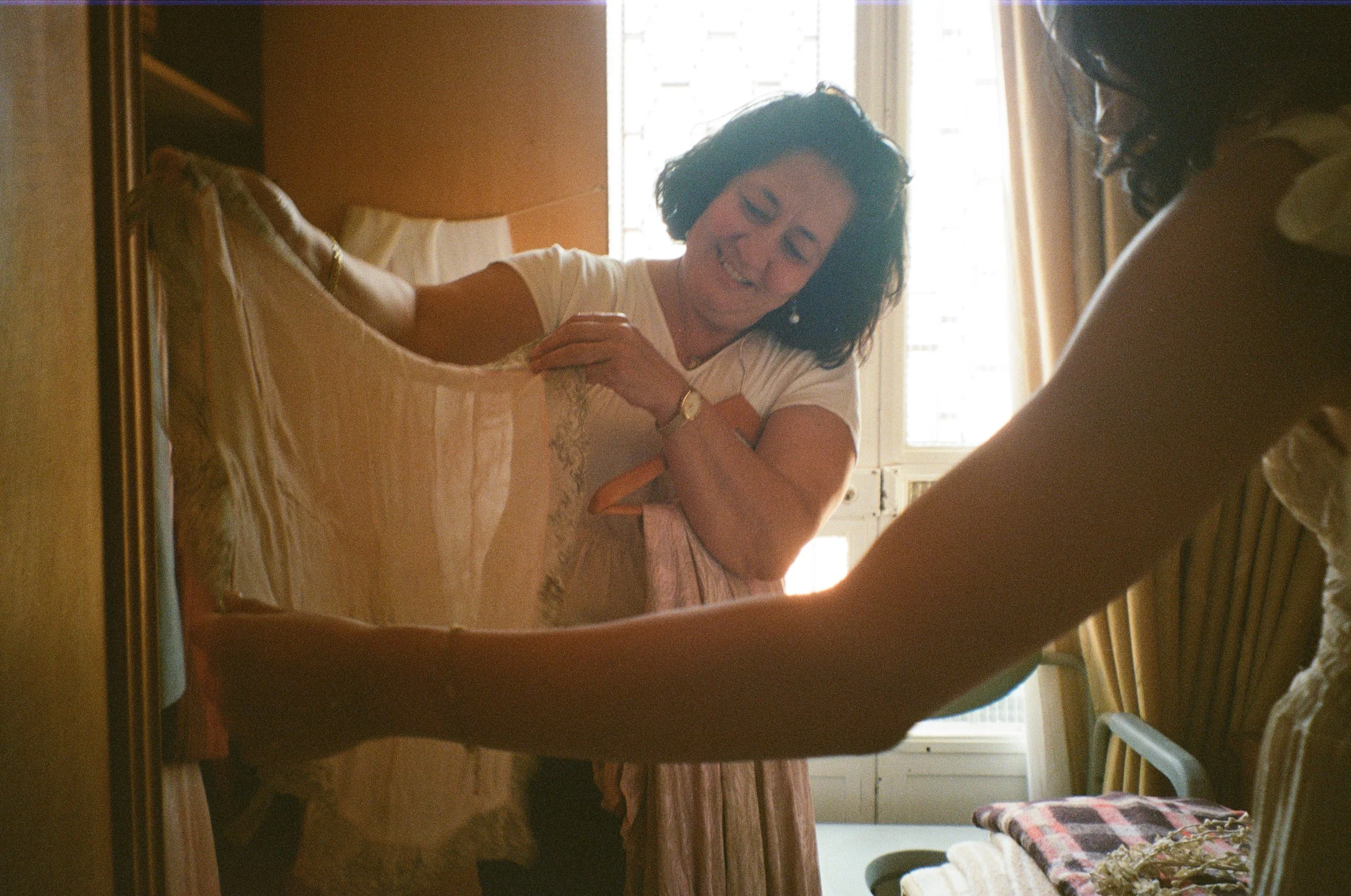
I would have to create several webpages, write several chapters, tell several stories before I could scratch the surface on what this trip to Libnan meant to me. A sample of that beautiful & spiritual time will be (hopefully) shared in a published piece soon. The activities that defined my unplanned methodology included scavenging through our village home, searching for recognizable faces in black and white photos, eliciting & tracing family tales in heirlooms, and disorganized documents and taking on the role of DIY archivist, while adding to the repository of photos with my own film camera handed down to me by my mother. I admired the beautiful pieces at Lebanese artisanal shops, took a trip to my favorite community cafe & bookstore, Barzakh, and visited Sursock Museum for the first time (I loved the exhibition but have since learned and put off by them in the wake of their lack of reaction to the March 2026 aggression and the history I uncovered of their ties to the colonizer — blech).
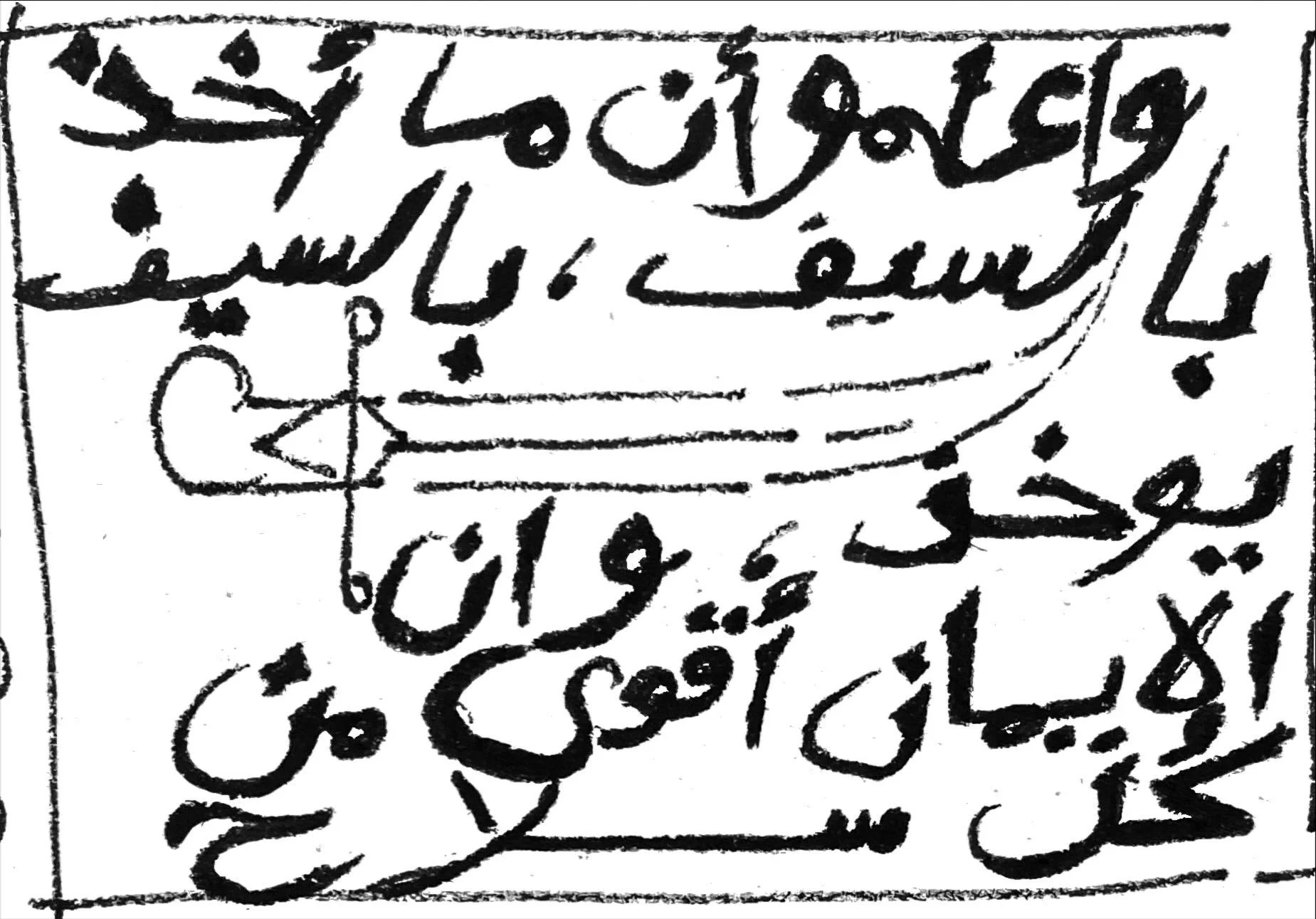
Many new motifs entered my canon, but more importantly the lenses and ideas I was looking for to better read that political moment – to undo the entanglements of sectarian, colonial and fragmentary discourses – were located in stories around my great grandfather and his will, which my mother (somewhat patiently) translated with me. As if speaking to me and future comrades from elsewhere, much of my sense of responsibility and purpose was guided by the unwavering confidence in his words, alongside the overwhelming feeling that my ancestors were watching over and guiding me throughout my visit as I toiled with my emotions and uncovered knowledge and inherited their love like never before.
Returning to London after this trip meant that I was now looking for a way to synthesize all these key takeaways, including the film photos, oral stories, precious memories, scribbled notes and translated texts into a formatted and spatialized experience. The workshop.
mid-summer
Now was the time to get serious about designing the workshop. I was still feeling unsure about how to bring everything together, but a key moment and relationship was working with House of Annetta, which is where the workshop would be hosted.
act three
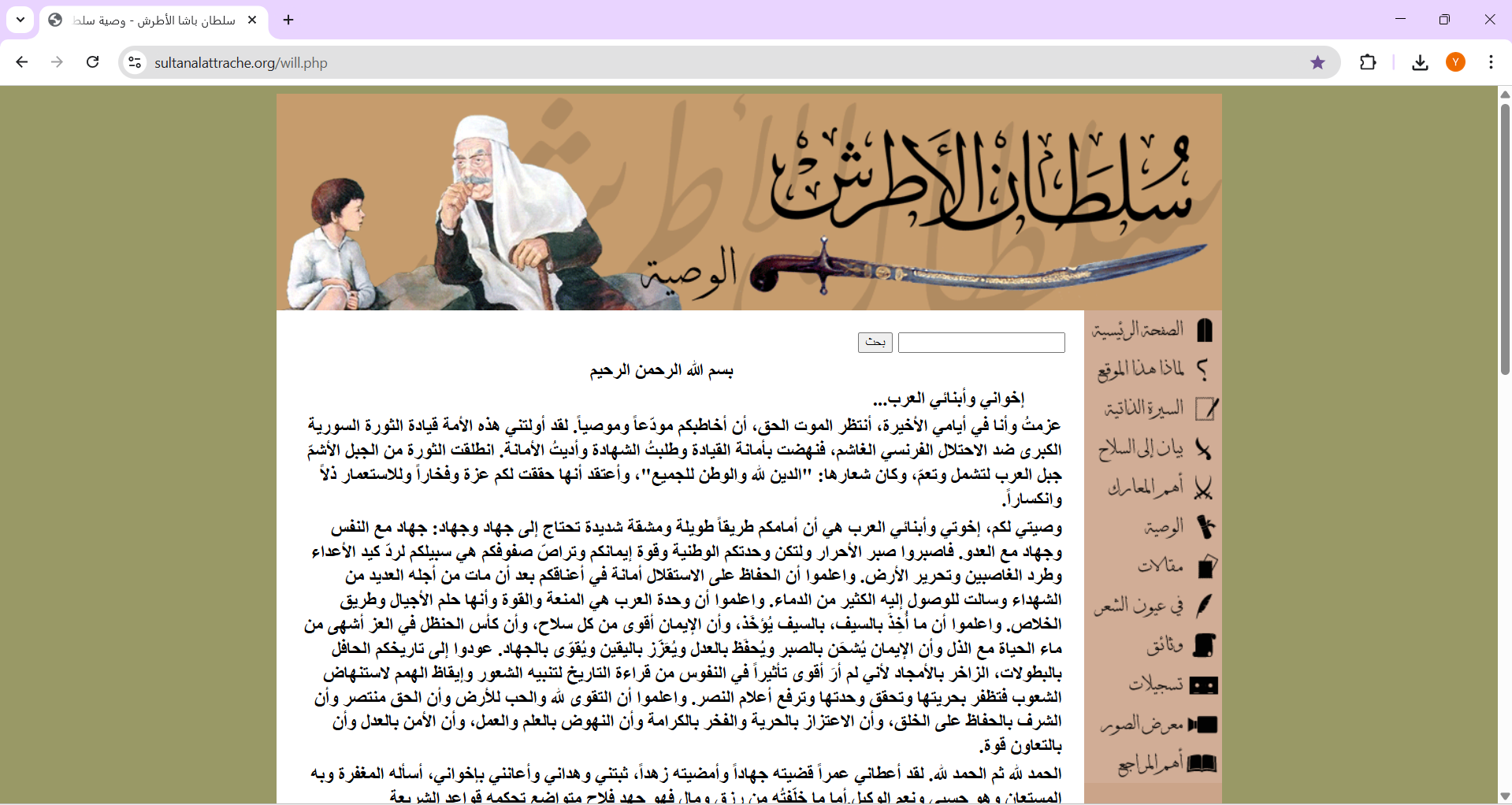
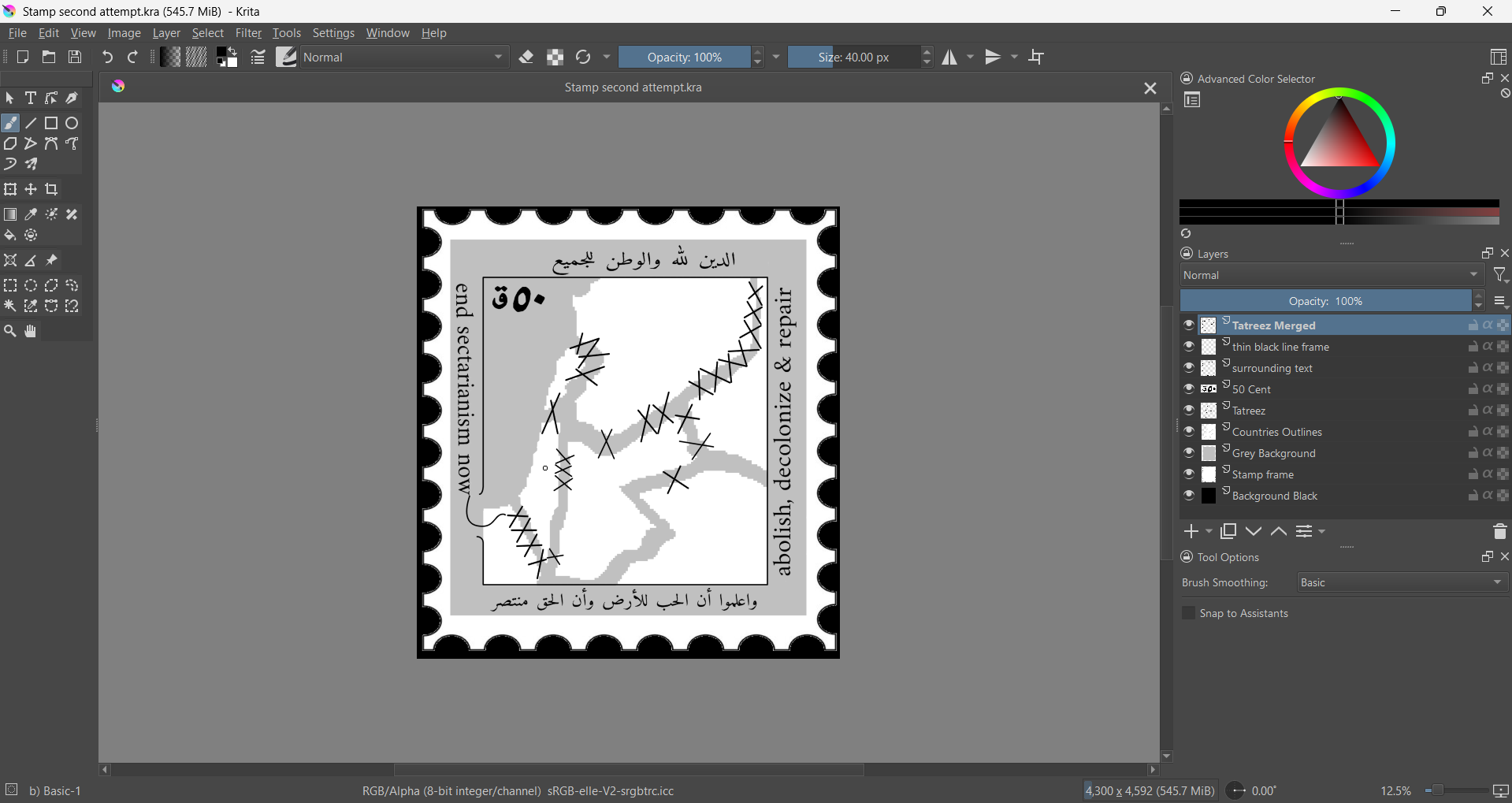
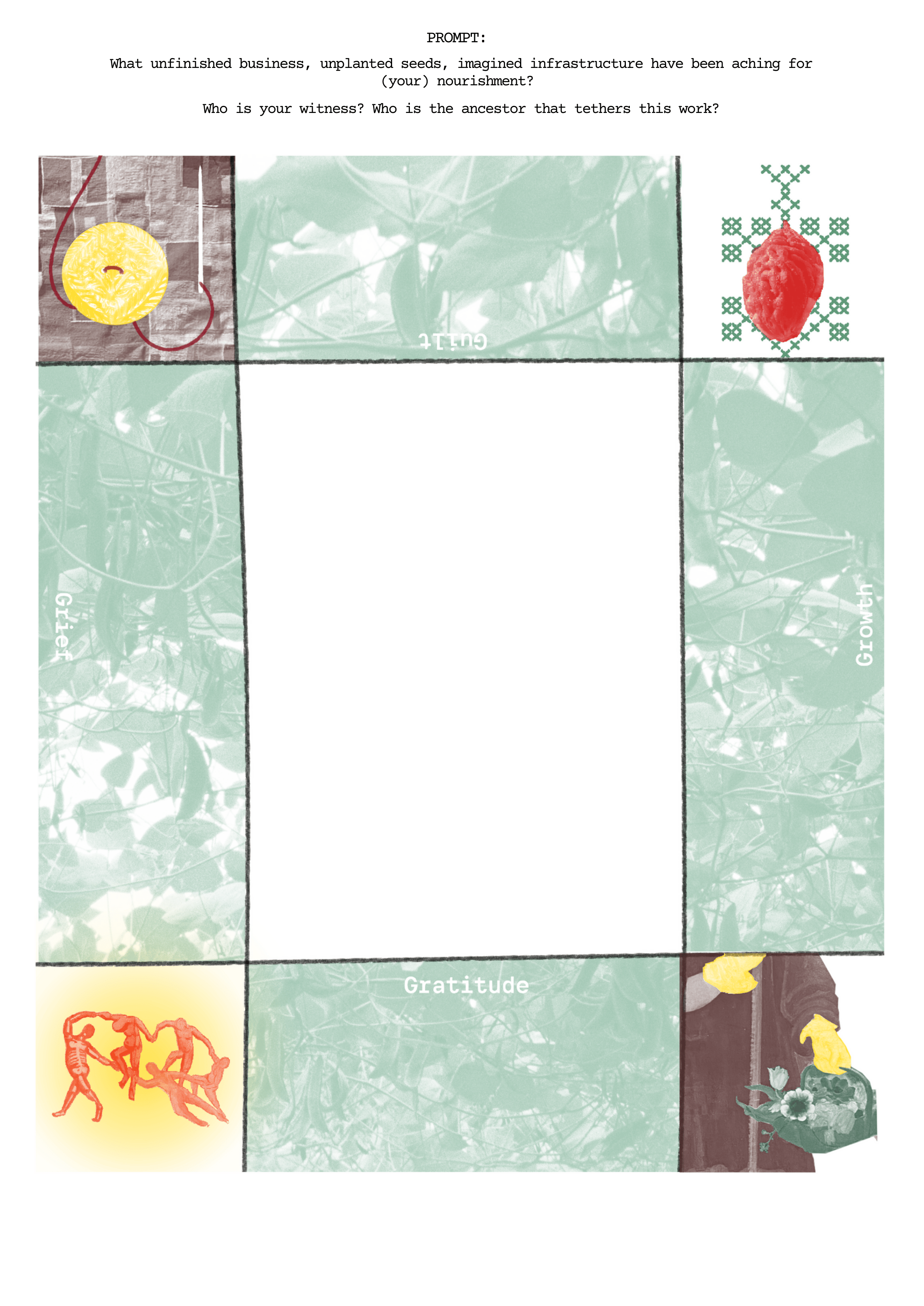
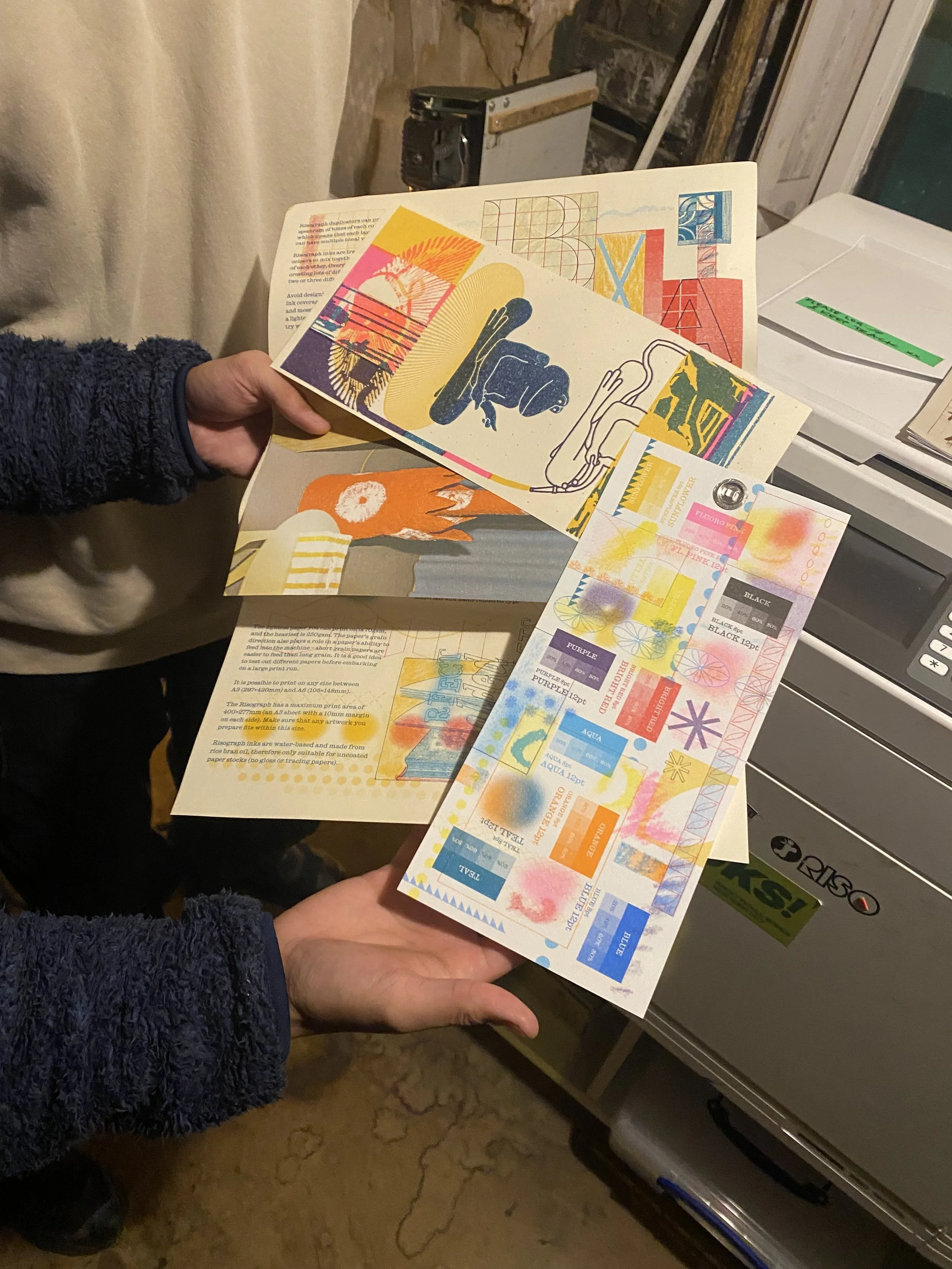
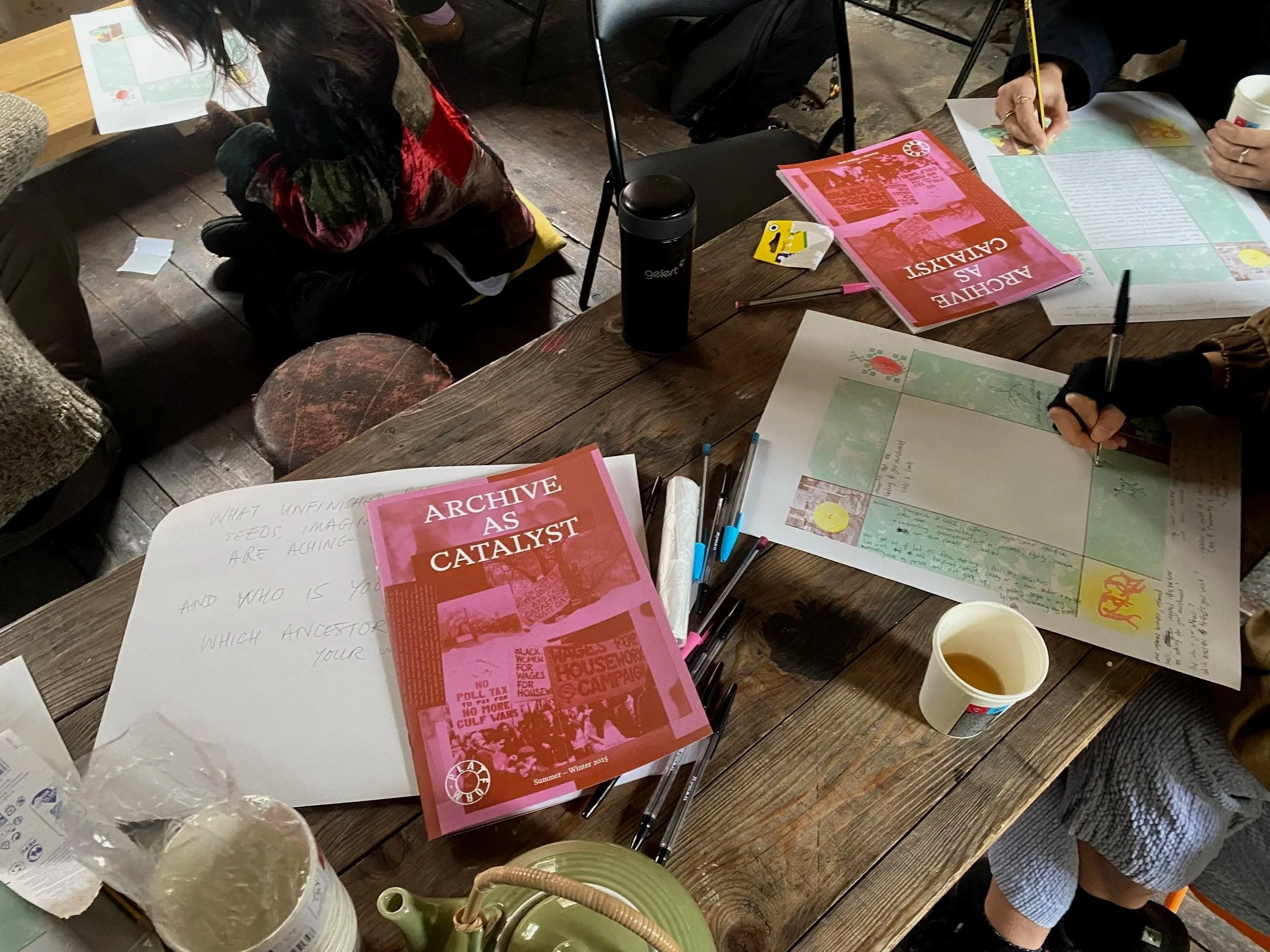
My collaboration with Slow & Dirty Press to design the letter-writing material, bringing together motifs from the summer and grounding many of the lessons I gained into set prompts. Anna from Slow & Dirty was extremely patient with me as I learnt to use the RISO printer and offered a constructive, learn-by-doing approach as we kept re-adjusting and experimenting with the the letter template’s design, the print settings, and the paper itself.
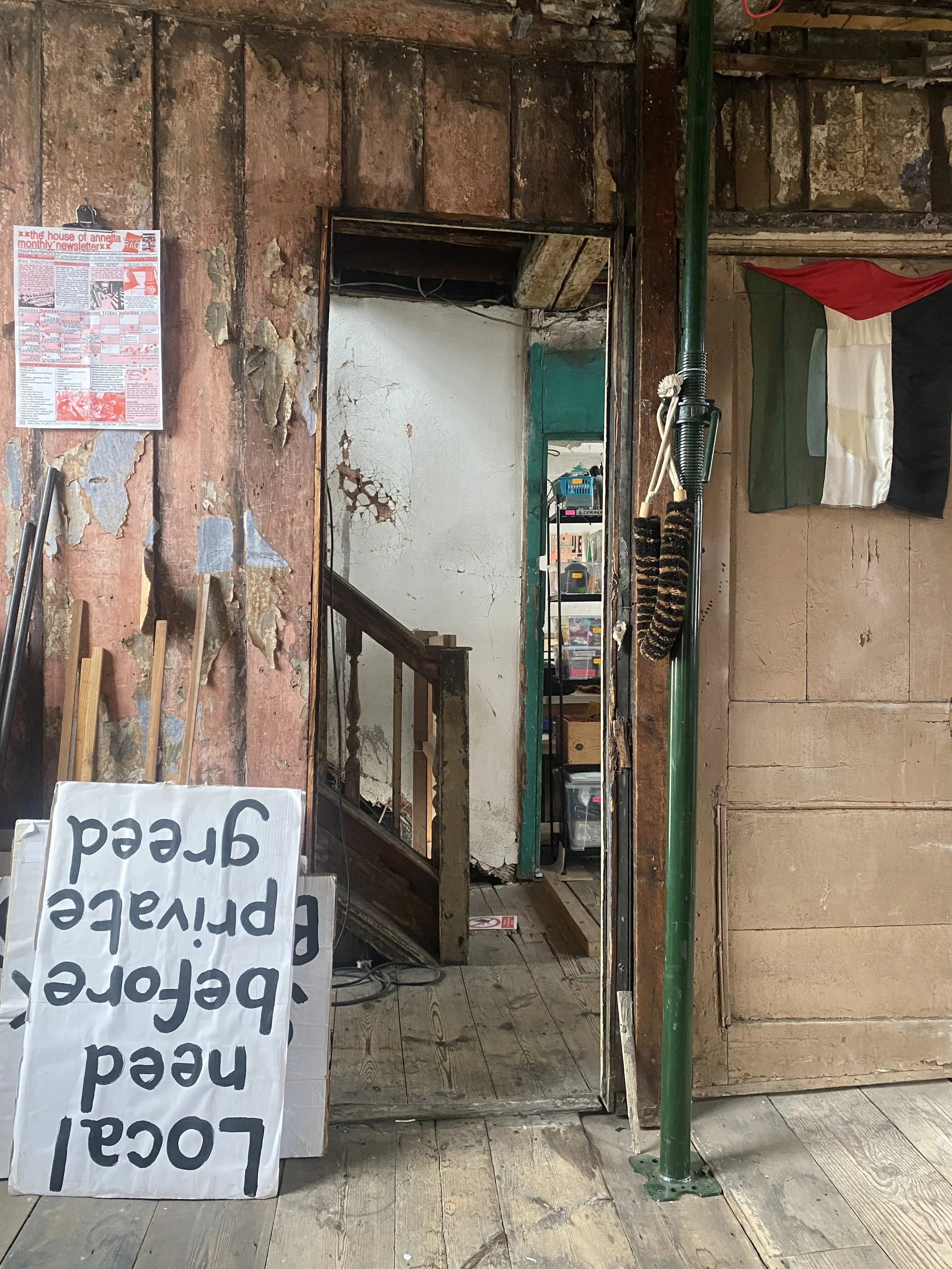
It was important to define this work as mutually beneficial, and not a passive and transactional ‘venue booking’. The stewards at HoA were so generous with their time and with meeting me over a delicious meal cooked in their shared kitchen in early August to discuss the vision for the workshop, and offer me an impromptu search through Annetta’s archives (which added to my inspiration around the possibilities for writing prompts, orders and templates). This resulted in the following:
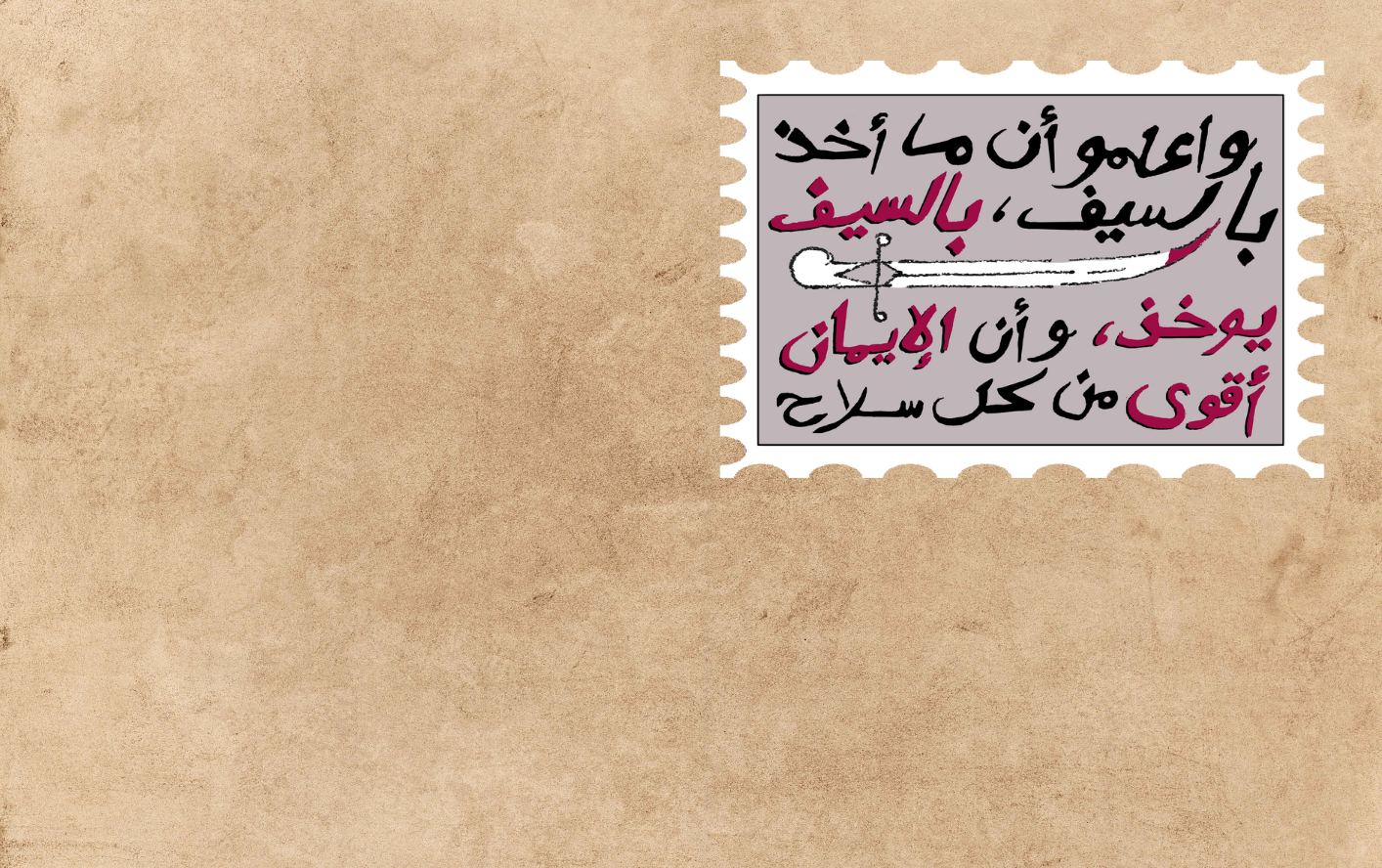
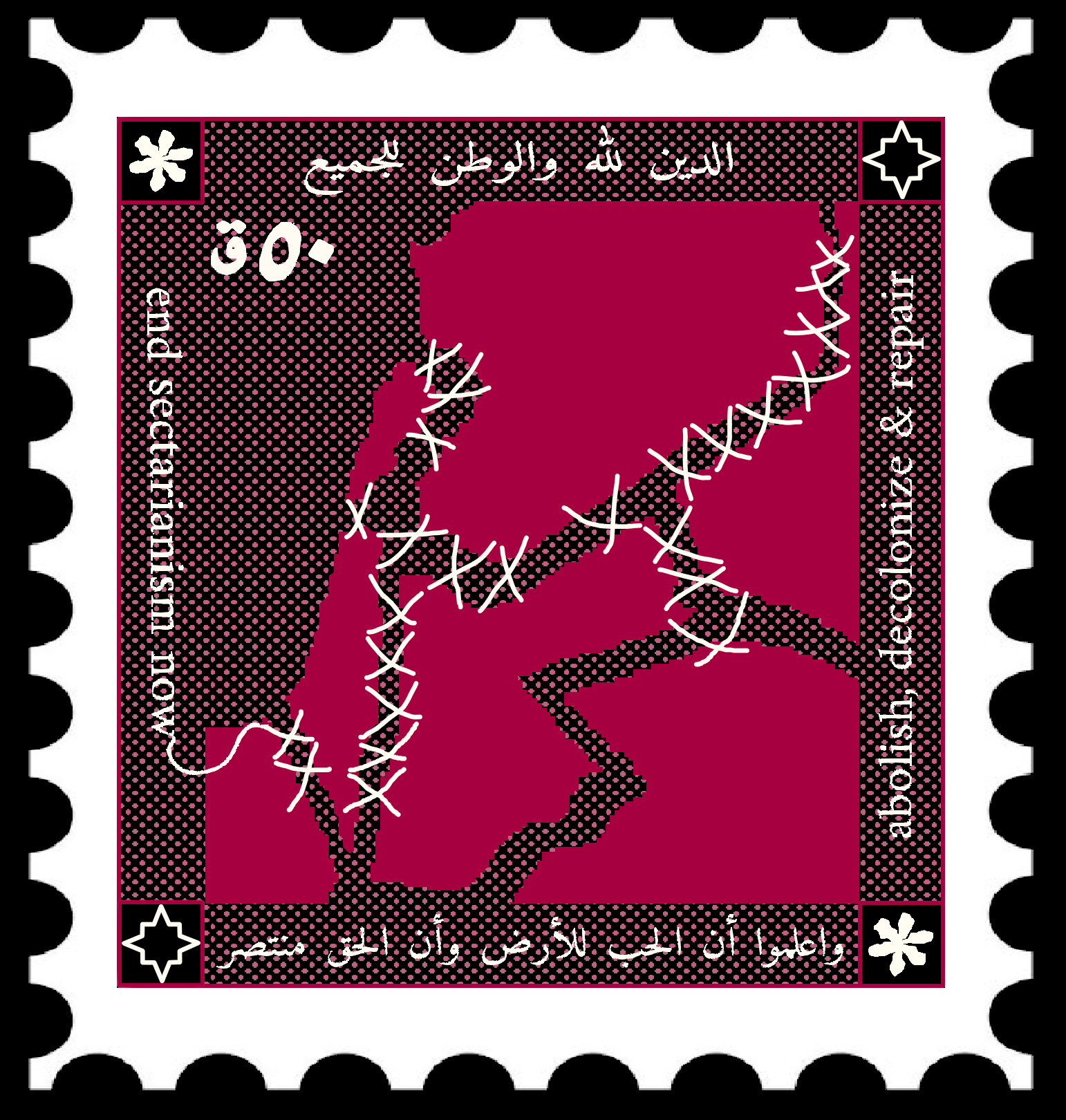
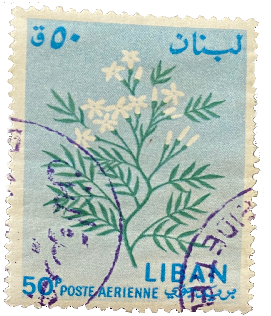
My constant and consistent experimentation with translating hand-drawn motifs, drafting (and often trashing) visual representations of this anti-sectarian & anti-colonial work, and imagining what a stamp that could transcend time & carry messages to ancestors had to embody.
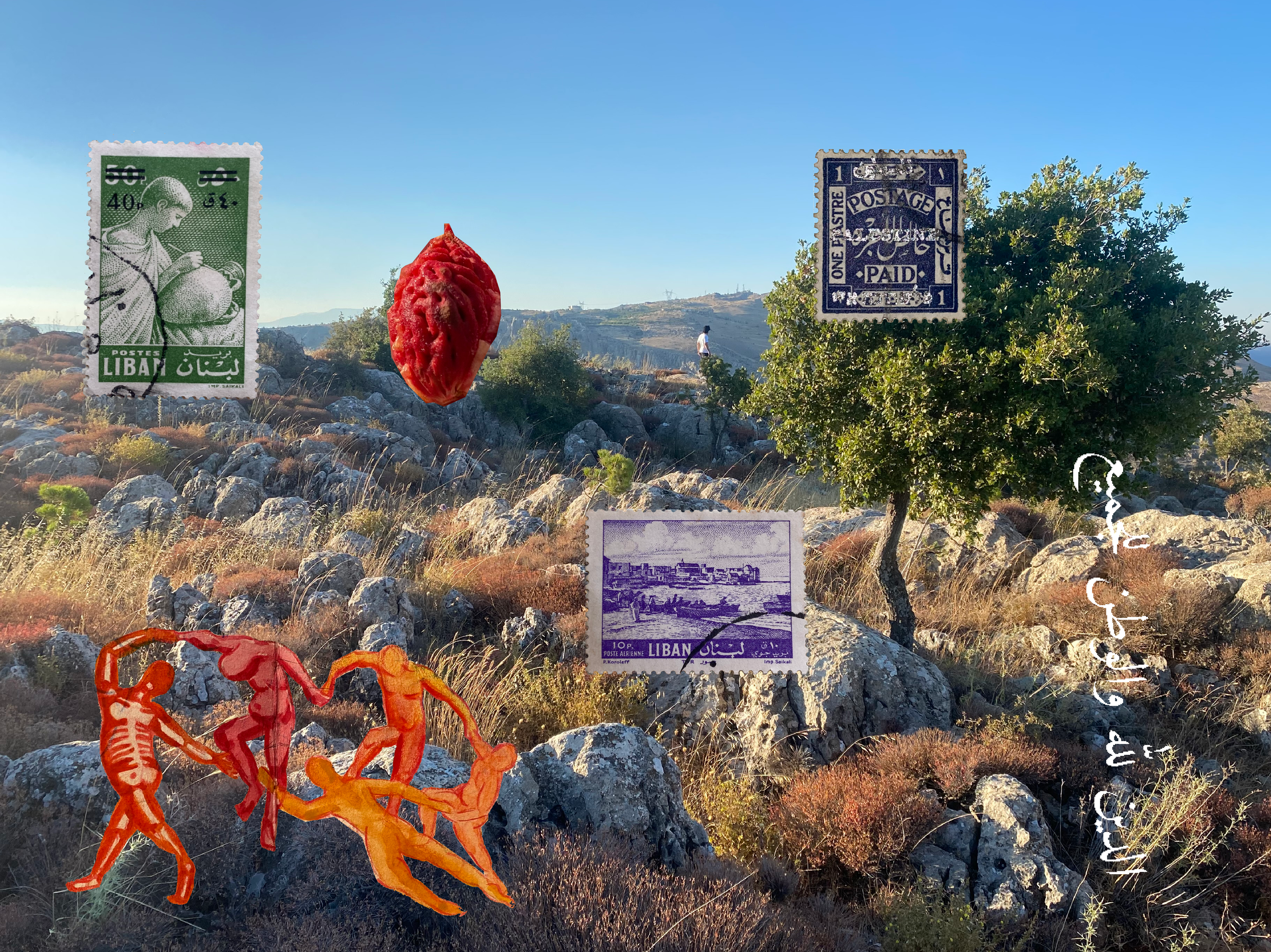
The hours spent nearly going insane with testing color combinations, reworking different layers, cleaning up scanned drawings, scouring through my stamp collection and so on were deeply worth it.
late summer & early autumn
act four
late autumn
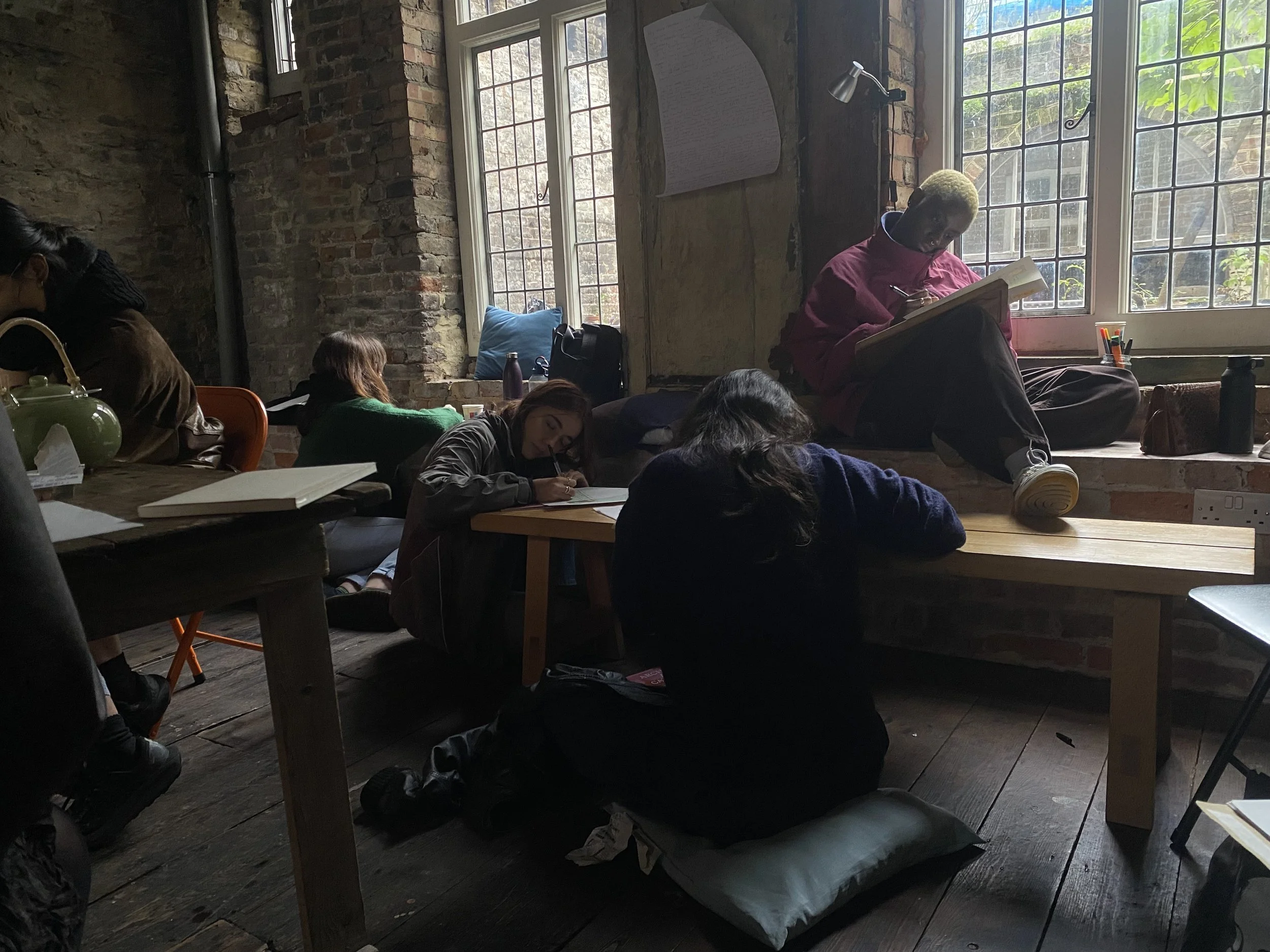
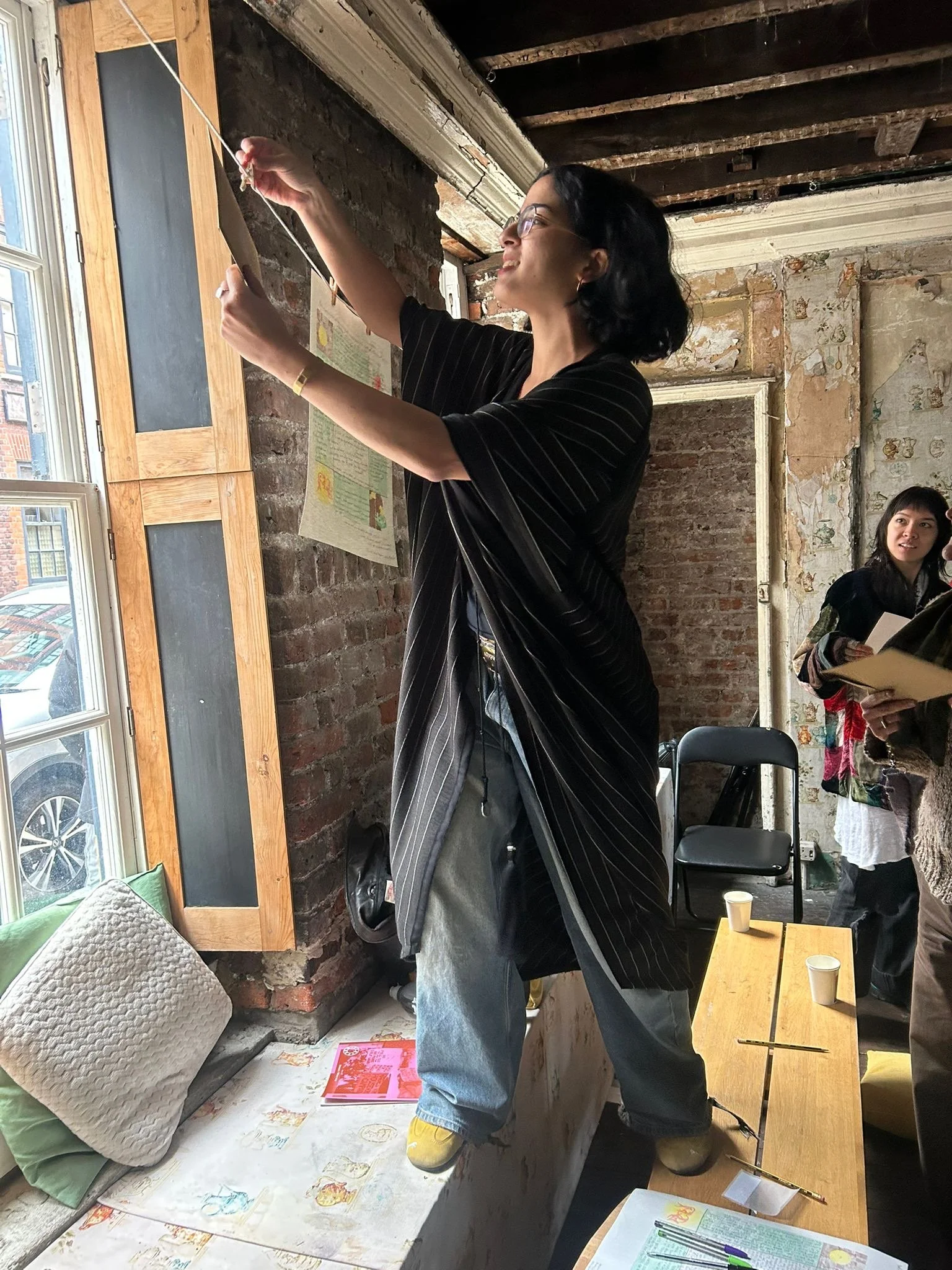
…
I’ve shared the letter template page itself as well as the stamp design below, which anyway is free to download (if you plan on using them in a public manner, reach out to me first!)
A full explanation on the symbolic meaning and design of the letter & stamps can be found here. https://platformlondon.org/cultivating-homelanding/